Sustainable Skyscrapers: The Future of Urban Skylines in the US
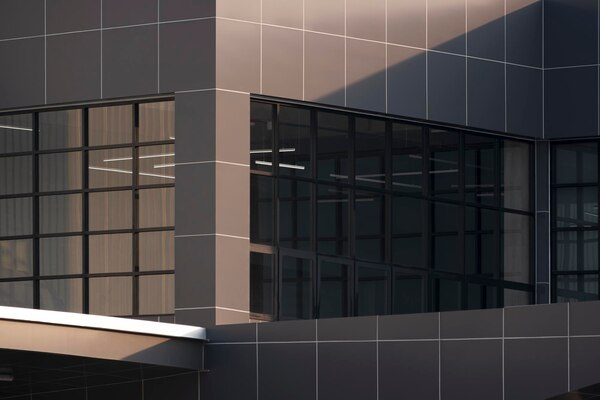
Sustainable skyscrapers are rapidly reshaping how American cities think about density, growth, and climate responsibility. As urban populations rise and land becomes scarcer, building upward remains an efficient way to house people and jobs. The challenge is doing so without locking cities into decades of high emissions, excessive resource use, and fragile infrastructure. The emerging generation of sustainable high‑rises is an attempt to solve this problem at scale.
A sustainable skyscraper is more than a tall building with solar panels. It is a system that integrates architecture, engineering, materials science, urban planning, and digital technologies to reduce environmental impact over the building’s entire life cycle—from construction to operation to eventual renovation or deconstruction. In the US, where buildings account for a large share of energy use and emissions, this shift is particularly critical.
One of the most important drivers of this transformation is energy performance. Traditional glass towers with sealed façades and heavy reliance on mechanical cooling are increasingly viewed as obsolete. New designs emphasize high‑performance building envelopes: better insulation, triple glazing, external shading, and smart façades that respond to sun, wind, and temperature. These features reduce the need for heating and cooling, making it easier to run buildings on cleaner energy.
At the same time, renewable power is moving onto and into skyscrapers. Photovoltaic panels are being integrated into façades and rooftops wherever orientation and shading allow. Wind turbines are sometimes incorporated at higher elevations, where wind speeds are stronger and more consistent, although they remain more experimental. In some cases, buildings are designed with on‑site energy storage, helping them use electricity more efficiently and remain operational during grid disruptions.
Materials are another frontier. Traditional high‑rise construction relies heavily on concrete and steel, both of which carry significant carbon footprints. To address this, developers in the US are experimenting with lower‑carbon concrete mixes, recycled steel, and, increasingly, mass timber. Engineered wood products—such as cross‑laminated timber—can replace portions of conventional structural systems and store carbon rather than emit it. Hybrid structures that combine timber with steel or concrete cores are becoming more common as codes evolve and fire‑safety research advances.
Water use and management are also central to sustainable high‑rise design. Many new towers employ low‑flow fixtures, greywater reuse systems, and rainwater capture. Such strategies can dramatically cut potable water demand and relieve pressure on urban infrastructure. In some cases, skyscrapers double as part of a city’s stormwater management system, temporarily holding rainfall and releasing it slowly to reduce flooding.
Indoor environmental quality is changing as well. Future‑oriented towers use fresh‑air systems, low‑toxicity materials, and daylight‑optimized floor plates to support human health and productivity. Operable windows are returning, at least in portions of buildings, to allow for natural ventilation under favorable conditions. Biophilic design—visible greenery, natural materials, and views—is becoming a common feature in lobbies, terraces, and sky gardens, reflecting a growing recognition that sustainability and occupant well‑being are closely linked.
Digitization underpins many of these advances. Smart skyscrapers rely on dense networks of sensors, meters, and controls to monitor performance in real time. Building management systems adjust lighting, ventilation, and temperature based on occupancy and external conditions, often using machine learning to predict demand and optimize energy use. Digital twins—virtual models linked to live data—enable operators to test changes, identify inefficiencies, and fine‑tune building operations over time. This continuous optimization is particularly powerful in tall buildings, where small improvements can translate into large absolute savings.
Location and connectivity are equally important. Sustainable skyscrapers work best in transit‑rich areas, where residents and workers can walk, cycle, or use public transportation. Mixed‑use towers that combine housing, offices, retail, and public spaces can reduce the need for long commutes while activating city streets throughout the day. In this way, sustainable skyscrapers are not isolated objects but catalysts for more compact, efficient, and livable urban districts.
Policy and market forces in the US are pushing this evolution forward. Many cities have adopted building performance standards that set clear energy or emissions targets for large buildings over time, encouraging owners to invest in efficiency and cleaner systems. Green building certifications—such as LEED, WELL, and others—offer frameworks for holistic sustainability and have become common in high‑end commercial and residential developments. Investors and tenants increasingly factor environmental performance into their decisions, creating financial incentives to go beyond minimum code requirements.
Resilience is another major concern shaping the next generation of high‑rises. As heat waves, storms, and flooding events become more frequent and intense, skyscrapers must be designed to remain safe and functional under stress. This means flood‑resistant ground floors in vulnerable areas, redundant energy and water systems, passive design strategies that keep spaces habitable during outages, and structures capable of withstanding high winds and seismic forces. In coastal US cities, where many iconic skylines are located, the resilience of tall buildings is becoming inseparable from broader climate adaptation strategies.
The social dimensions of sustainable skyscrapers are gradually moving into focus. Energy‑efficient towers that only wealthy residents or premium office tenants can access offer limited benefit at a city scale. The future of sustainable skylines in the US will depend on integrating affordability, equity, and community needs into high‑rise development. This includes incorporating affordable housing, ensuring public access to ground‑level and rooftop amenities where possible, and engaging local communities in planning processes. Well‑designed towers can contribute to safer streets, improved air quality, and shared public spaces, rather than simply standing as isolated symbols of wealth.
Despite the momentum, several challenges remain. Upfront costs for advanced façades, renewable energy systems, and high‑performance materials can be significant, even if long‑term operating savings are attractive. Building codes and zoning regulations in some cities still favor conventional construction methods or limit innovative solutions like mass timber at greater heights. Skills gaps in design, engineering, and construction can slow adoption of new technologies. And retrofitting existing skyscrapers—which will dominate skylines for decades—is technically complex and often disruptive.
Yet the direction of travel is clear. As the US strives to meet climate targets and adapt to environmental risks, cities cannot afford to treat skyscrapers as exceptions to sustainability norms. The vertical dimension of urban growth must align with decarbonization, resource efficiency, resilience, and social inclusion. Each new high‑rise built to outdated standards represents a missed opportunity and a long‑term liability.
In the coming decades, the most successful American skylines are likely to look different not only in form but in function. Future towers will consume far less energy and water, generate more of their own power, use lower‑carbon materials, and operate as responsive organisms embedded in digital and physical networks. They will integrate greenery and public space, support healthier lives, and withstand a wider range of shocks. Sustainable skyscrapers, in this sense, are not just a design trend; they are a necessary evolution of how cities grow upward in an era of profound environmental and social change.