Adaptive Reuse: Transforming Industrial Spaces into Modern Homes
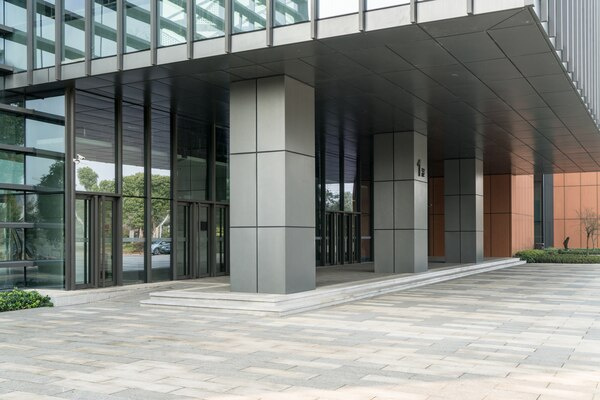
Once the backbone of manufacturing and logistics, industrial buildings are increasingly being reclaimed as distinctive places to live. Rather than demolishing warehouses, factories, and mills, architects and developers are embracing adaptive reuse—reimagining these robust structures as contemporary homes that blend history with modern comfort.
At its core, adaptive reuse is about extending the life of existing buildings by changing their function. Industrial structures are especially well-suited to this approach. Their generous floor plates, high ceilings, and large windows provide a flexible canvas, while their materials—brick, steel, timber, concrete—carry a character that new construction often struggles to replicate. Converting such spaces into residences not only preserves cultural memory but also reflects a more sustainable, resource-conscious approach to urban development.
One of the primary advantages of transforming industrial buildings is environmental. Demolition and new construction consume vast amounts of energy and materials and generate significant waste. By working with what already exists—foundations, structural frames, roofs—adaptive reuse reduces embodied carbon and preserves the energy that was invested in creating those materials decades earlier. Even when substantial upgrades are necessary, reusing a building is usually less carbon-intensive than starting from scratch. In an era of climate commitments and stricter energy regulations, this makes adaptive reuse an attractive strategy for cities and developers alike.
Equally important is the cultural dimension. Many industrial sites occupy central urban locations shaped by local economic history: portside warehouses that once supported maritime trade, mills that powered a town’s early growth, or railway depots that anchored emerging districts. When these buildings fall into disuse, their decay can leave gaps in the urban fabric. Converting them into housing reactivates these precincts without erasing their past. Original details—exposed brick walls, cast-iron columns, timber beams, loading dock doors—become design features that tell stories about earlier forms of work and production. Residents often value the authenticity and sense of identity that such spaces provide, especially in cities where new buildings can feel increasingly generic.
From a design perspective, the transition from industrial hall to home presents both creative opportunities and technical challenges. Industrial buildings were not designed for domestic life, so their scale and configuration must be carefully addressed. Deep floor plates can limit natural light, necessitating atriums, light wells, or internal courtyards. Double-height spaces can be used to create mezzanines and lofts, offering varied spatial experiences within a single unit. The absence of traditional room divisions allows for open-plan layouts, which suit many contemporary lifestyles but must be balanced against the need for privacy and acoustic control.
Materiality plays a central role in these conversions. Designers often highlight the rugged textures of original materials and contrast them with refined new elements. Rough brick walls might be paired with sleek cabinetry; heavy steel trusses might frame minimalist glass partitions; old concrete floors can be polished and sealed rather than concealed. This dialogue between old and new can produce interiors that feel both grounded and contemporary, avoiding pastiche while honoring the building’s origins.
Regulatory and technical issues are another layer of complexity. Bringing industrial structures up to residential standards requires significant interventions. Building codes prescribe fire resistance, egress routes, accessibility, insulation, ventilation, and seismic performance that earlier industrial construction rarely meets. Old factories may need additional stair cores, upgraded structural frames, or entirely new building envelopes to ensure safety and comfort. Contamination, especially on former industrial or warehouse sites, must be assessed and remediated before habitation. These requirements can increase costs and lengthen schedules, but they also ensure that the resulting homes are safe, energy-efficient, and durable.
The social context around adaptive reuse is equally important. When industrial districts become desirable residential neighborhoods, there is a risk of displacing existing communities, small businesses, or creative users who occupied these spaces during periods of decline. Successful projects often involve collaboration with local authorities and stakeholders to integrate affordable housing, community facilities, or mixed-use components into redevelopment plans. Combining residential units with studios, workshops, cultural venues, or small-scale commercial spaces can preserve some of the area’s economic diversity and creative energy, rather than turning it into a purely upscale enclave.
For residents, living in a converted industrial building offers a distinct experience. The generosity of space, tall ceilings, and large windows create interiors flooded with light and air. Thick masonry walls and concrete slabs can provide acoustic separation from the street and neighboring units. The structural clarity of columns and beams often allows for flexible layouts, making it easier to adapt apartments over time as needs change—splitting a large open loft into smaller rooms, for instance, or incorporating workspaces within the home. Many people are drawn to the visible traces of time in these buildings—the patina of metal, the marks on timber, the slight irregularities in old brick—as a counterbalance to the polished finish of new developments.
Examples from cities around the world illustrate the potential of adaptive reuse. Former dockside warehouses have become waterfront lofts with communal terraces. Redundant power stations have been reimagined as mixed-use complexes that include residential towers built atop or adjacent to the original structures. Historic mills have been converted into apartments that preserve machinery housings as sculptural elements in shared lobbies or courtyards. In each case, the transformation depends on careful analysis of the existing fabric, sensitive insertion of new services, and a clear strategy for how residents will move, gather, and live within spaces once designed for production and storage.
Urban planning frameworks increasingly recognize the value of such approaches. Zoning changes often allow higher densities or mixed-use configurations in former industrial zones, making residential conversions financially viable. Heritage overlays can both protect important features and guide interventions so that key elements—façades, rooflines, structural grids—are retained while interiors are reconfigured. Local governments may offer incentives for preserving and repurposing historically or architecturally significant structures, aligning private investment with broader cultural and environmental goals.
Looking ahead, the adaptive reuse of industrial spaces into homes is likely to remain a significant trend as cities confront the dual pressures of housing demand and climate responsibility. Not every industrial building is suitable for residential conversion, and not every project successfully balances commercial interest with social and cultural concerns. Yet when these conversions are thoughtfully conceived, they demonstrate how cities can grow by layering new uses onto old foundations rather than wiping the slate clean.
Transforming industrial spaces into modern homes represents more than a clever architectural gesture. It is a shift in attitude toward the built environment—from viewing aging buildings as liabilities to recognizing them as assets rich in embodied energy, craftsmanship, and memory. Through adaptive reuse, the story of industrialization is not erased but reframed, with former engines of production becoming places for contemporary living, creativity, and community.